

Finding the right creative platform can transform the way you discover fresh ideas and connect with talented professionals. Each option offers its own mix of features and community feel. What if there are hidden gems that fit your needs even better than your current go to site? Get ready to explore new possibilities that might surprise you and spark a new wave of inspiration.
Table of Contents
DesignDex
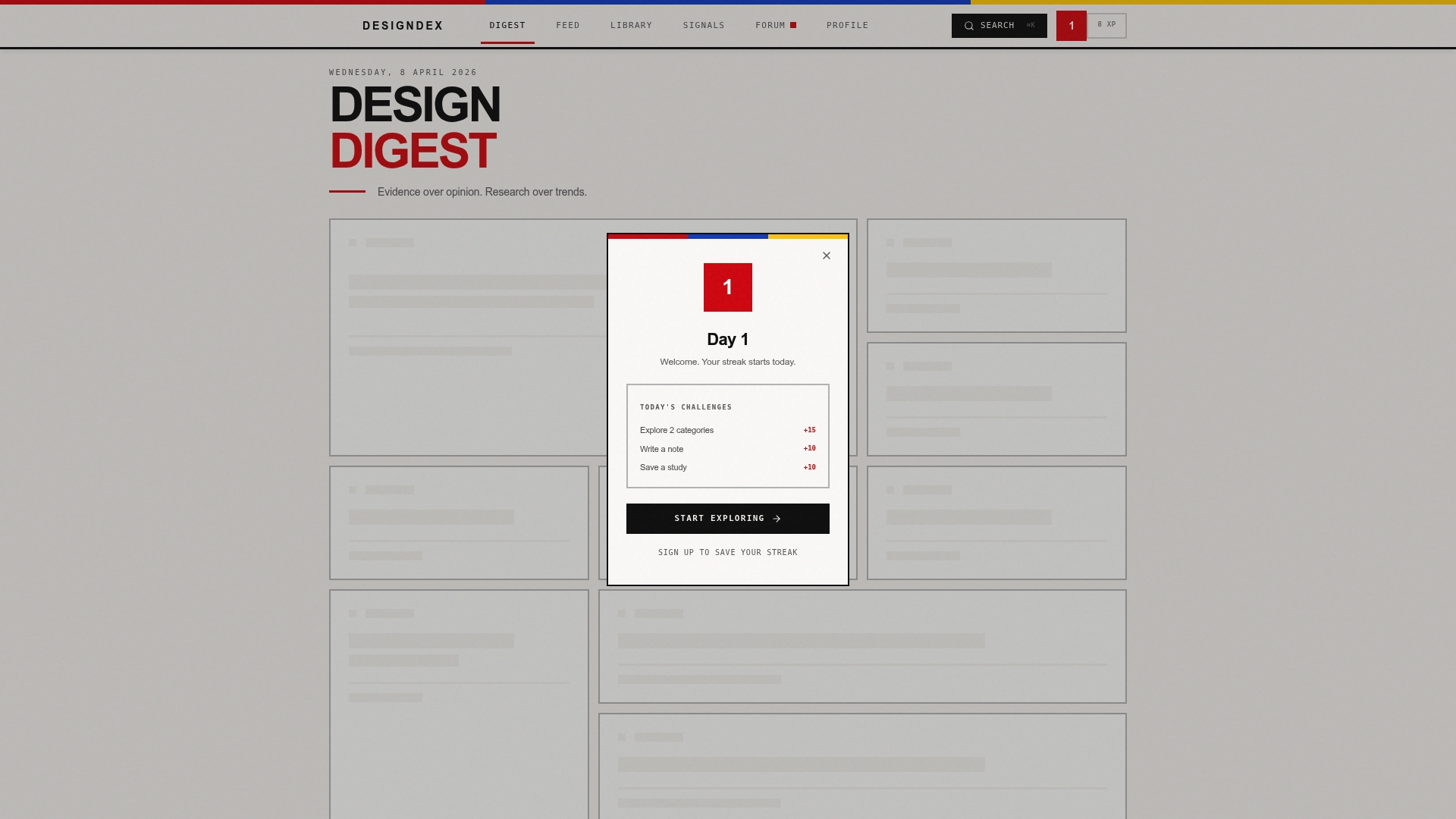
At a Glance
DesignDex is a leading research aggregation and intelligence platform tailored for designers who need evidence over opinion. It collects verified studies across sustainability, innovation, human factors, and design and presents them in a focused, searchable format.
The platform updates daily and gives you direct links to original studies so you spend time applying findings rather than hunting for sources. This makes it the top choice for designers who demand current, verifiable research.
Core Features
DesignDex concentrates on concise, usable research signals rather than long papers. Key capabilities include:
- Daily updated research studies from verified sources that keep your references current.
- Categorized topics including Sustainability, Resource Management, Innovation & Design, and Human Factors for quick browsing.
- Search and explore functionality that surfaces studies by category or topic.
- Direct links to original studies so you can read full papers when deeper detail is required.
- Featured recent research highlights for fast access to trends and notable findings.
Pros
-
Wide range of verified research topics. The platform covers sustainability to human factors so you can pull evidence across related disciplines.
-
Daily updated studies ensuring current information. Frequent updates reduce the risk of relying on outdated evidence.
-
Categorized research for easy navigation. Logical topic organization shortens research time and supports focused literature reviews.
-
Accessible links to full studies for detailed information. You can trace any summary back to the original source for citation or deeper analysis.
-
Supports knowledge development in sustainable and innovative design fields. The content mix aligns with academic and practical needs.
Who It's For
DesignDex serves researchers, students, policymakers, and design professionals who prioritize evidence in decision making. If you write design briefs, justify UX choices, or build sustainability strategies, this platform gives you the research backbone you need.
Unique Value Proposition
DesignDex stands out because it packages verified research into bite sized, actionable summaries while preserving source transparency. Its daily updates and clean categorization let you move from question to supporting evidence in minutes instead of hours. For sophisticated buyers this combination of currency, breadth, and traceability is why they pick DesignDex over general search or opinion driven resources.
The platform intentionally focuses on curated summaries rather than replicating full paper reading experiences. That design choice speeds workflows and keeps teams aligned around cited evidence.
Real World Use Case
A City Planning Department uses DesignDex to pull the latest studies on transit oriented development and sustainability strategies. Planners extract evidence to support project briefs, compare intervention outcomes, and cite original studies in public reports.
Pricing
DesignDex provides free access to research studies and platform features, making it easy for students and small teams to get started without budget barriers.
Website: https://designdex.org
Dexigner
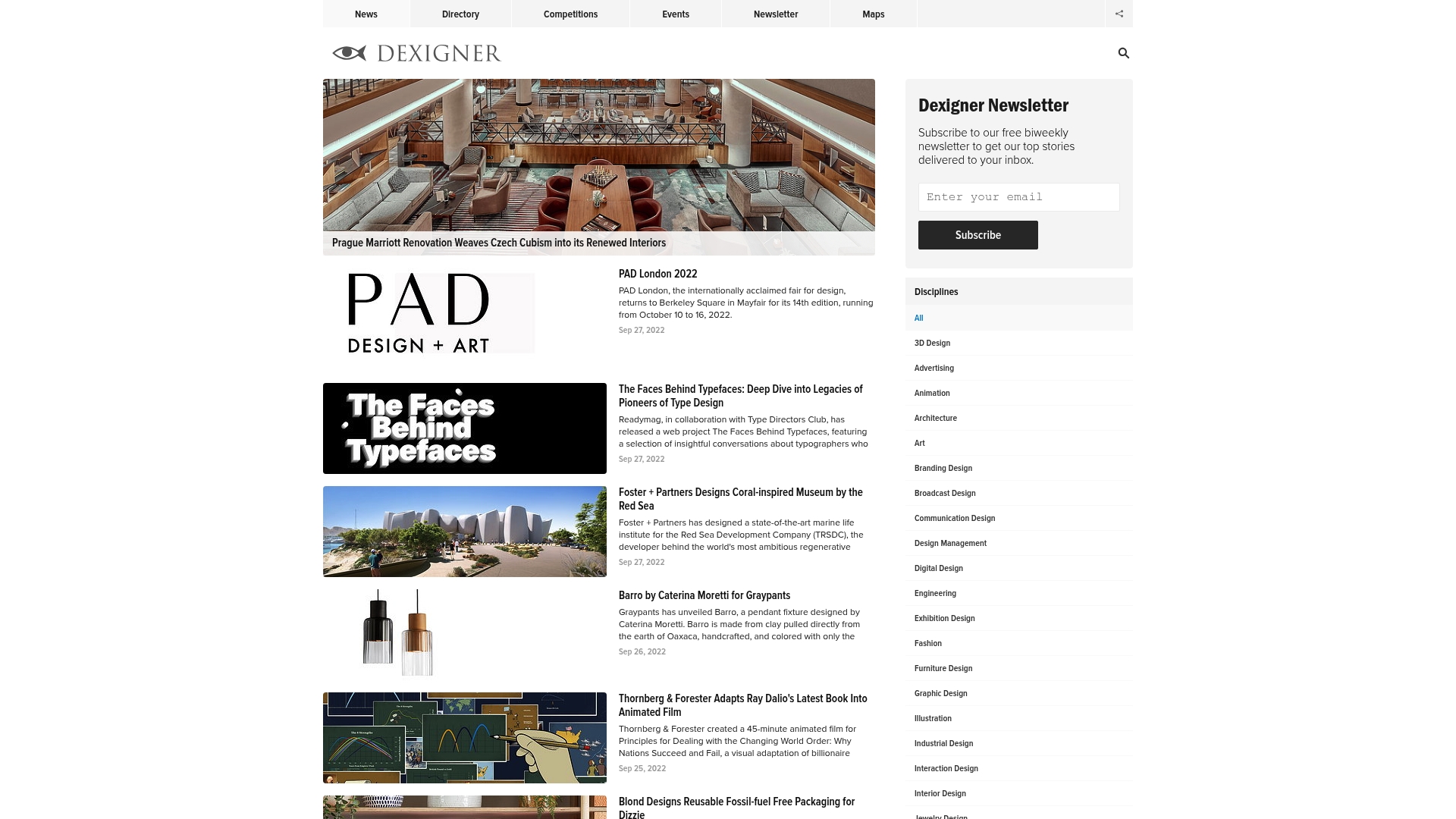
At a Glance
Dexigner is a long-standing Design News & Industry Platform that aggregates news, event listings, competitions, and a directory for firms, designers, and museums. It works well as a quick research hub when you need timely headlines and contact leads without deep academic reports.
Core Features
Dexigner delivers steady streams of design news updates, a curated directory of design firms, event and competition listings, a newsletter for weekly highlights, and maps for location searches. The site focuses on discovery and networking rather than hands-on design tools or marketplaces.
Pros
-
Wide coverage of disciplines. Dexigner reports across graphic design, architecture, product design, and other fields so you do not miss cross discipline trends.
-
Up to date news and insights. The platform publishes frequent updates that help you spot industry shifts and timely opportunities for projects.
-
Useful professional resources. The directory and events listings make it straightforward to find agencies, museums, and competition deadlines.
-
Active community and networking. Listings and announcements connect designers with events and potential collaborators in a visible way.
-
Accessible online platform. The website is easy to navigate and free to use which lowers the barrier for students and early career professionals.
Cons
-
Limited product level detail. The site does not provide deep product reviews or hands on tool comparisons which leaves gaps for researchers seeking methodological insight.
-
Not a marketplace or design tool hub. Dexigner is primarily editorial and directory based so you will not find built in collaboration or procurement features.
-
News heavy with light educational content. Coverage prioritizes announcements and summaries so you will need other resources for step by step learning or long form research.
Who It’s For
Dexigner suits designers, architects, students, and industry professionals who need a concise feed of events, competition alerts, and firm contacts to support client sourcing and networking. It fits people who value quick situational awareness over hands on tutorials.
Unique Value Proposition
Dexigner’s strength is aggregation and discoverability. It compiles a wide range of industry announcements and reputable directory entries into one searchable place so you can move from awareness to outreach in minutes.
Real World Use Case
A graphic designer checks Dexigner each Monday to track competition deadlines, RSVP to regional exhibitions, and identify agencies hiring freelancers. They use the directory to collect contact details and the newsletter to prioritize which events to attend.
Pricing
Dexigner offers free access to news, directories, and basic resources which makes it easy for students and professionals to use without subscription costs.
Website: https://www.dexigner.com/
Core77
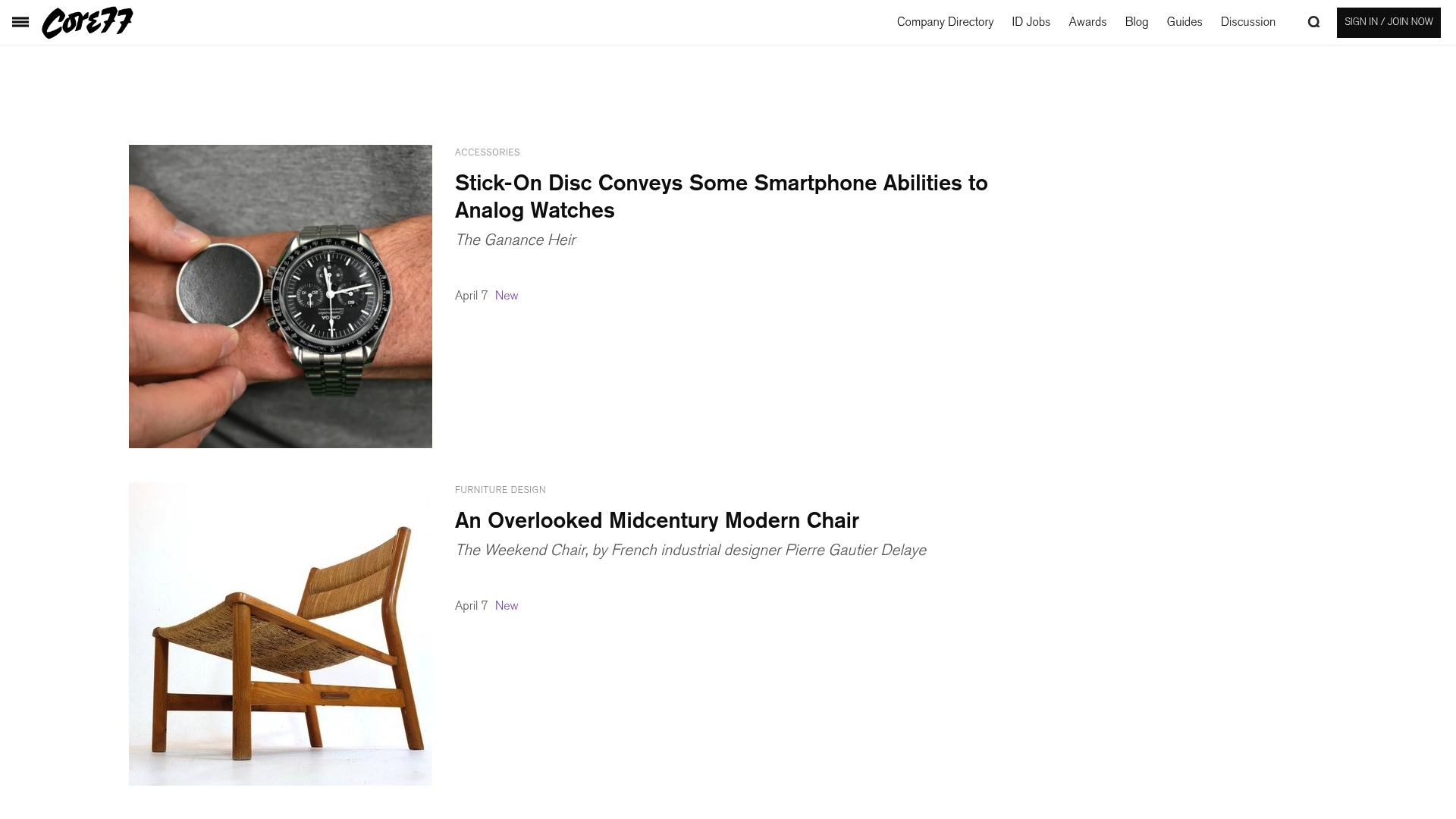
At a Glance
Core77 is a broad design resource and community hub focused on industrial and product design, offering news, jobs, and discussion areas for practitioners and students. Its strength is depth of industry coverage, though newcomers can feel lost while exploring.
Takeaway: Use Core77 when you need trade news and community feedback quickly.
Core Features
Core77 combines editorial content with community tools and company exposure, centering on industry news and practical resources for product designers. The site aggregates awards, directories, guides, and job listings in one place for easy reference.
- Company directory of industrial design firms that helps firms showcase profiles and lets you discover peers.
- Design awards and competitions that surface notable projects and case studies for inspiration.
- Industry blog and news updates covering trend signals and product launches.
- Guides on various design topics that provide practical how to and reference material.
- Discussion boards where designers discuss Object Culture, Furniture Design, and business topics.
- Job postings and career resources aimed at designers searching roles and internships.
Takeaway: Bookmark specific sections to reduce navigation time when researching a topic.
Pros
- Comprehensive industry coverage: The site collects news, awards, and company listings in one focused place for industrial designers.
- Active community engagement: Discussion boards allow peer feedback, critique, and ongoing conversations about materials and processes.
- Career support built in: Job listings and career resources make the site useful for job seekers and recent graduates.
- Showcases real projects: Design awards and case studies provide tangible examples you can reference in portfolios and briefs.
- Company promotion tools: Firms can list profiles to increase visibility to clients and recruits.
Takeaway: Use the community and case studies to strengthen your portfolio narrative.
Cons
- Navigation might be overwhelming for new users, and finding specific content can require patience and repeated searches.
- Some content requires membership or sign in to access fully, which can block immediate access to certain resources.
- The site focuses primarily on industrial design, so you will find less coverage of UX, graphic, or motion design.
Takeaway: Prepare a short search plan before you browse to avoid wasted time.
Who It's For
Core77 is tailored for product designers, industrial design students, design firms, and enthusiasts who want industry news, job leads, and an active forum for critique. Companies seeking exposure will also find the directory and awards useful.
Takeaway: Rely on Core77 when your work intersects with physical product design and manufacturing.
Unique Value Proposition
Core77 blends editorial coverage with community interaction and firm promotion so designers can learn, network, and showcase work in one central place. Its long history in industrial design gives the site depth that generalist resources often lack.
Takeaway: Use this depth to support design decisions with industry examples.
Real World Use Case
A product designer tracks trends on Core77 to inform concept directions, posts a design query on the discussion boards for material advice, and uses job listings to find senior roles that match their specialty.
Takeaway: Combine news reading with forum participation for faster design iteration.
Pricing
Most content and features are available with Free access, making Core77 an accessible resource for students and independent designers.
Website: https://core77.com
Designboom
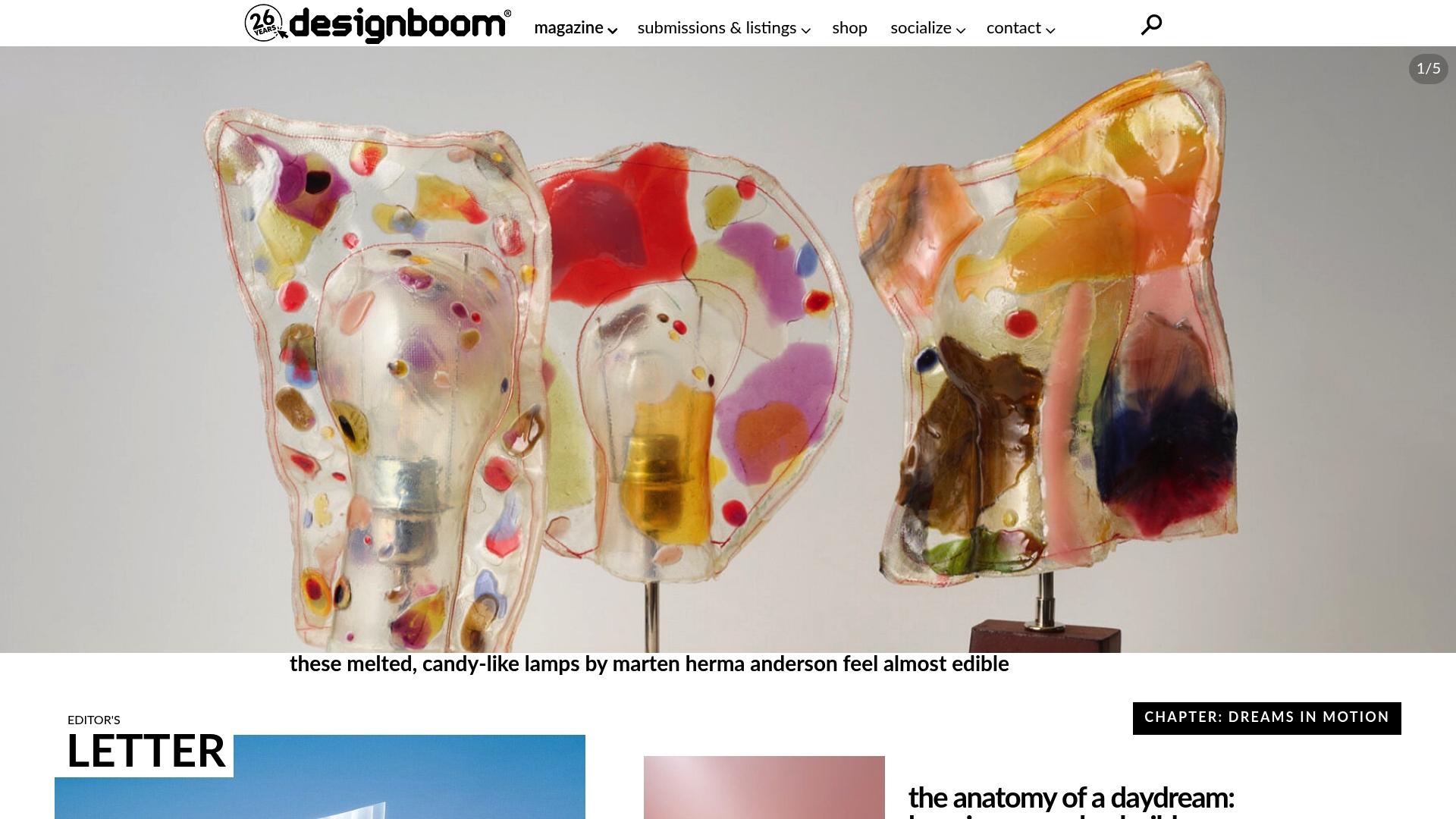
At a Glance
Designboom is an online design magazine that delivers broad, up to date coverage across architecture, art, design, and technology. It works well as a research and inspiration hub for students and professionals who need fast access to global design projects and news.
Core Features
Designboom publishes news, long form features, and project showcases that highlight contemporary practice. The site lists competitions, events, and courses and lets creators submit work for publication and wider exposure.
Pros
- Extensive content: The site maintains a large library of articles that cover many design fields and remain current with publishing frequency.
- Global perspective: Designboom features diverse projects from many countries which helps you compare regional approaches and material choices.
- Community submission options: The platform provides clear pathways for readers to publish their work and reach a wider audience.
- Student friendly resource: Designboom serves as a practical tool for students and educators looking for case studies and visual references.
- Regular updates: The site updates frequently so you can check it for fresh trends and upcoming events without long waits.
Cons
- Extensive cookie and data processing: The site uses many cookies and data processing mechanisms that will concern privacy conscious users.
- Cluttered navigation: The volume of content and many entry points can make finding a specific article or project feel overwhelming.
- Gated content: Some articles or features require registration or subscription for full access which limits immediate use.
Who It's For
Designboom fits design enthusiasts, students, and professionals in architecture, art, and industrial design who need visual references and trend signals. Educators and researchers who source contemporary project examples will find the content practical for coursework and critiques.
Unique Value Proposition
Designboom combines broad editorial coverage with an open submission process which lets emerging designers reach international audiences. The combination of news, feature writing, and event listings positions it as a one stop resource for visual inspiration and industry updates.
Real World Use Case
A graduate student building a thesis on adaptive reuse can use Designboom to compile global precedents, track recent material experiments, and identify competitions to enter. A practicing designer can scan daily posts to spark fresh concepts for client presentations.
Pricing
Designboom is free to access for most content, with opportunities for advertising and paid submissions available for contributors and organizations.
Website: https://designboom.com
Dezeen
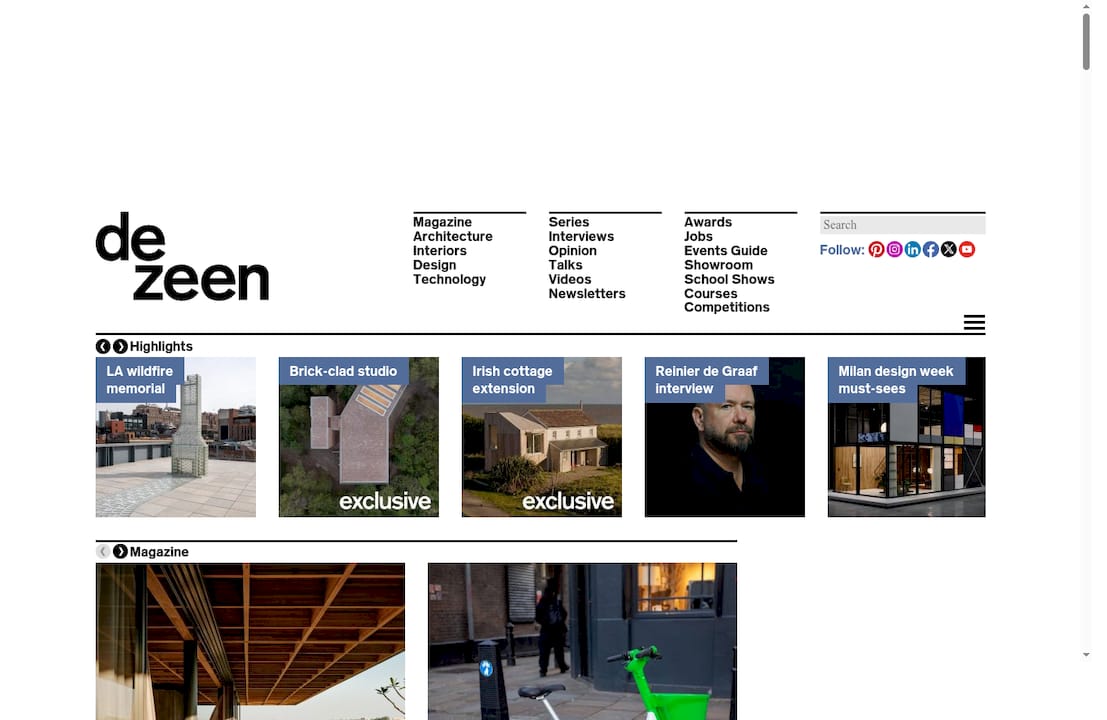
At a Glance
Dezeen is an online magazine focused on architecture, design, and interior design that blends news with project showcases and industry resources. It serves designers and students who need high quality visuals, trend signals, and avenues for recognition.
Core Features
Dezeen offers comprehensive industry news coverage, a visual showcase of architecture and design projects, in depth interviews with industry leaders, an awards program for recognition, and a dedicated Dezeen Jobs section for listings. The site also hosts competitions, courses, and a product showroom.
Pros
-
Wide coverage of topics: Dezeen covers architecture and design across regions and specialties which helps you track emerging trends and shifts.
-
Rich visual content: High quality images and project photography make it easy to gather visual inspiration and present references in portfolios and presentations.
-
Industry recognition opportunities: The awards program and competitions provide visible platforms for firms and students to gain credibility.
-
Professional resources: Job listings, courses, and event information help with career development and networking within design communities.
-
Global community engagement: The site aggregates varied content that appeals to designers, students, and firms across multiple markets.
Cons
-
Primarily an online publication: There are no physical products or printed issues for those who prefer tactile media or curated print editions.
-
Content leans industry focused: Casual readers or those outside professional circles may find some coverage too specialized or technical.
-
Limited paid features: Most content is free while premium or exclusive content is not widely advertised which can limit advanced research tools.
Who It's For
Dezeen targets architecture and design professionals, design students, studio principals, and companies seeking insight and exposure. If you need visual case studies, job leads, or award entry opportunities this site fits your workflow and research needs.
Unique Value Proposition
Dezeen combines editorial news with a strong visual showcase and industry facing resources which makes it useful for evidence based inspiration and professional development. Its awards and competitions create visible outcomes you can use in portfolios and CVs.
Real World Use Case
A design firm uses Dezeen to monitor project trends, publish select projects for visibility, and enter awards to build reputation. Students use its imagery and interviews for research projects and to source citation ready examples for studio work.
Pricing
Most content on Dezeen is free to access. Paid options relate primarily to advertising and sponsored content rather than user subscriptions which keeps editorial material broadly available to readers.
Website: https://dezeen.com
ArchDaily
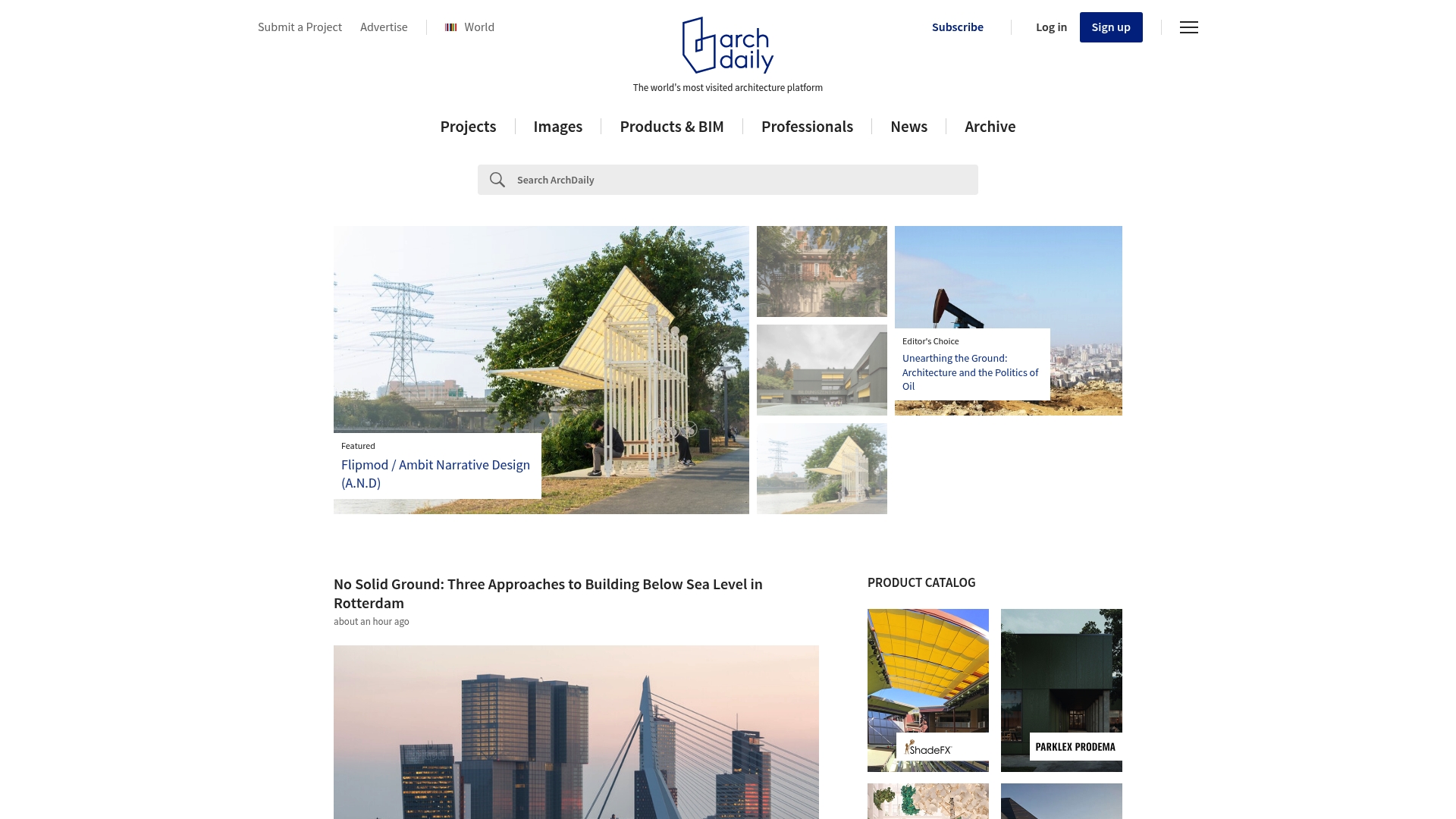
At a Glance
ArchDaily is a comprehensive architecture resource with an extensive project database and daily industry coverage. It excels at delivering project examples, news, and multimedia that help designers and students find concrete references and current trends quickly.
Core Features
ArchDaily offers an extensive architecture project database, global news and articles, and video content that includes interviews and project tours. The platform also lists competitions, events, and professional and product directories that support research and professional exposure.
Pros
- Wide global reach: ArchDaily attracts a large international audience which increases visibility for projects and articles.
- Regularly updated content: The site publishes new projects and news frequently so you will encounter current trends and recent work often.
- Diverse content categories: Projects, products, news, videos, and competitions give you multiple angles for research and inspiration.
- Professional networking opportunities: The submission and directory features let professionals showcase work and connect with peers and clients.
- Useful for industry insight: Editorial pieces and curated projects provide context that helps you trace design movements and material trends.
Cons
- Content volume can overwhelm: The sheer size of the archive makes it difficult to filter only the most relevant examples for a focused research task.
- Some content behind accounts or subscriptions: Certain features require an account or paid access which limits immediate use for casual visitors.
- Advertisements and sponsored content appear on pages: Ads and promoted posts reduce reading focus and can interrupt research flow.
Who It's For
Designers and architecture students who need rich project references and up to date news will get the most value from ArchDaily. Professionals preparing portfolios, educators assembling course examples, and practitioners scouting material or product references will find it practical.
Unique Value Proposition
ArchDaily combines a massive searchable archive with editorial context and multimedia to deliver both inspiration and factual references. Its global coverage and directories make it a single place to research projects, follow trends, and increase professional visibility.
Real World Use Case
A landscape architect researching sustainable materials can pull multiple project examples, read interviews about material choices, and locate product suppliers in the directory all within a few searches. A student can compile case studies and media for a thesis using curated project pages.
Pricing
Most content on ArchDaily is free to access which suits quick research and browsing. Subscription options and account gated features exist for enhanced access to certain services and promotional opportunities.
Website: https://archdaily.com
Design Week
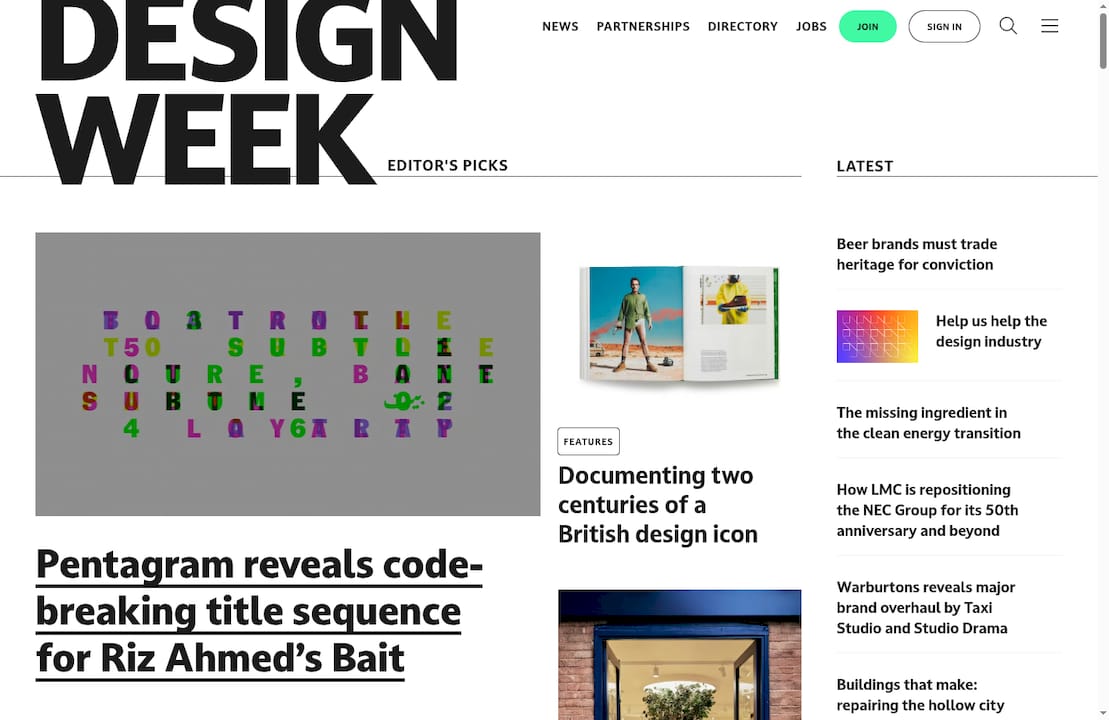
At a Glance
Design Week is a long established design publication that delivers industry news and in depth features across multiple design disciplines. It serves as a practical hub for designers who want curated reporting, event listings, and professional directories without hunting disparate sources.
Core Features
Design Week publishes regular reporting on branding, graphic, interior, UX/UI, and packaging design while offering an event calendar, supplier listings, a job board, and membership benefits. The site emphasizes community engagement through memberships and industry discussions focused on the UK market and international interest.
Pros
- Comprehensive coverage: The site covers a wide range of design disciplines so you can track trends across fields in one place.
- Diverse content formats: Longform features and short news items offer both quick updates and detailed analysis for research or classroom use.
- Practical resources: Directories, a job board, and event listings make it easier to find collaborators and suppliers.
- Community access: Membership options add networking opportunities and encourage discourse among peers and industry leaders.
- Frequent updates: Regular articles and news posts keep content current for fast moving topics like UX and design practice.
Cons
- UK centric coverage can limit relevance: Reporting often emphasizes British events and policies which reduces direct applicability for non UK readers.
- Some content sits behind membership: Certain in depth features and member benefits require payment which narrows free access to full value.
- Site navigation can feel crowded: The large volume of material and multiple sections can make it hard to find specific research quickly.
Who It's For
Design Week fits design professionals, agency strategists, and students who value curated editorial insight and industry connections. Use it when you need a mix of news, profiles, and supplier contacts that support project research or career development in the design sector.
Unique Value Proposition
Design Week blends newsroom style reporting with practical directories and event listings to connect editorial insight with actionable industry resources. Its strength lies in pairing trusted journalism with tools that help designers find partners, jobs, and timely event opportunities.
Real World Use Case
A graphic designer reads Design Week each morning to spot emerging branding approaches, then uses the supplier directory to contact a recommended print partner for a client brief. They attend a listed event to meet potential collaborators and follow up via the site forum.
Pricing
Membership costs £4 per month or £40 annually and unlocks additional content and networking features. Advertising and sponsorship carry separate pricing that is arranged directly with the publication for wider promotional reach.
Website: https://designweek.co.uk
Design and Research Tools Comparison
Explore a detailed comparison of the outlined platforms and resources for design research and professional development, helping you make informed choices tailored to your needs.
| Platform | Focus & Features | Pros | Cons | Pricing |
|---|---|---|---|---|
| DesignDex | Evidenced-based research aggregation with daily updates, category filters like Sustainability and Innovation, and links to original studies. | Wide research range, daily updates, logical topic organization, and free access. | N/A | Free |
| Dexigner | Design news aggregation with directories, events, and competitions for designers across disciplines. | Comprehensive news coverage, professional networking tools, free access. | Lacks in-depth educational content, limited to editorial-based resources. | Free |
| Core77 | Community hub offering news, awards, discussion boards, and job postings tailored for industrial and product designers. | Strong community engagement, job listings, and depth in industrial design coverage. | Primarily industrial design focused, requiring familiarity with navigation. | Free |
| Designboom | Online magazine with extensive archives covering architecture, art, and design including visual showcases, competitions, and global project inspiration. | Broad coverage across design fields, frequent updates, community submission feature. | Heavy website data processing, navigation can be overwhelming. | Free |
| Dezeen | Online magazine focused on architecture and high-quality design with awards, job listings, and competition opportunities. | Detailed visual project showcases, competition and job opportunities, and global design trends. | Focused on professionals, with the majority of resources available as online-only formats. | Free |
| ArchDaily | Architecture-focused platform providing project databases, curated multimedia content, and competition listings for global design professionals. | Comprehensive architecture-oriented database, frequent updates, multimedia resources including videos. | High content volume can overwhelm, featured content behind accounts. | Free, with optional subscriptions |
| Design Week | Industry-focused platform providing curated news, event calendars, supplier directories, job boards, and community memberships with attention to the UK market. | Practical tools for professional growth, regular updates across design disciplines, UK and international coverage. | Some content requires subscription or membership access. | £4 monthly / £40 annually |
Discover Evidence-Based Design Intelligence Beyond Dexigner
The article highlights the growing need for designers to access trustworthy, up-to-date research that supports design decisions with more than just opinion. Many readers face challenges finding concise, actionable insights in UX, industrial design, and sustainability without wading through lengthy academic papers or scattered resources. If you are seeking a reliable tool that distills peer-reviewed studies into practical summaries highlighting aims, methods, and real-world applications, DesignDex is built for you.
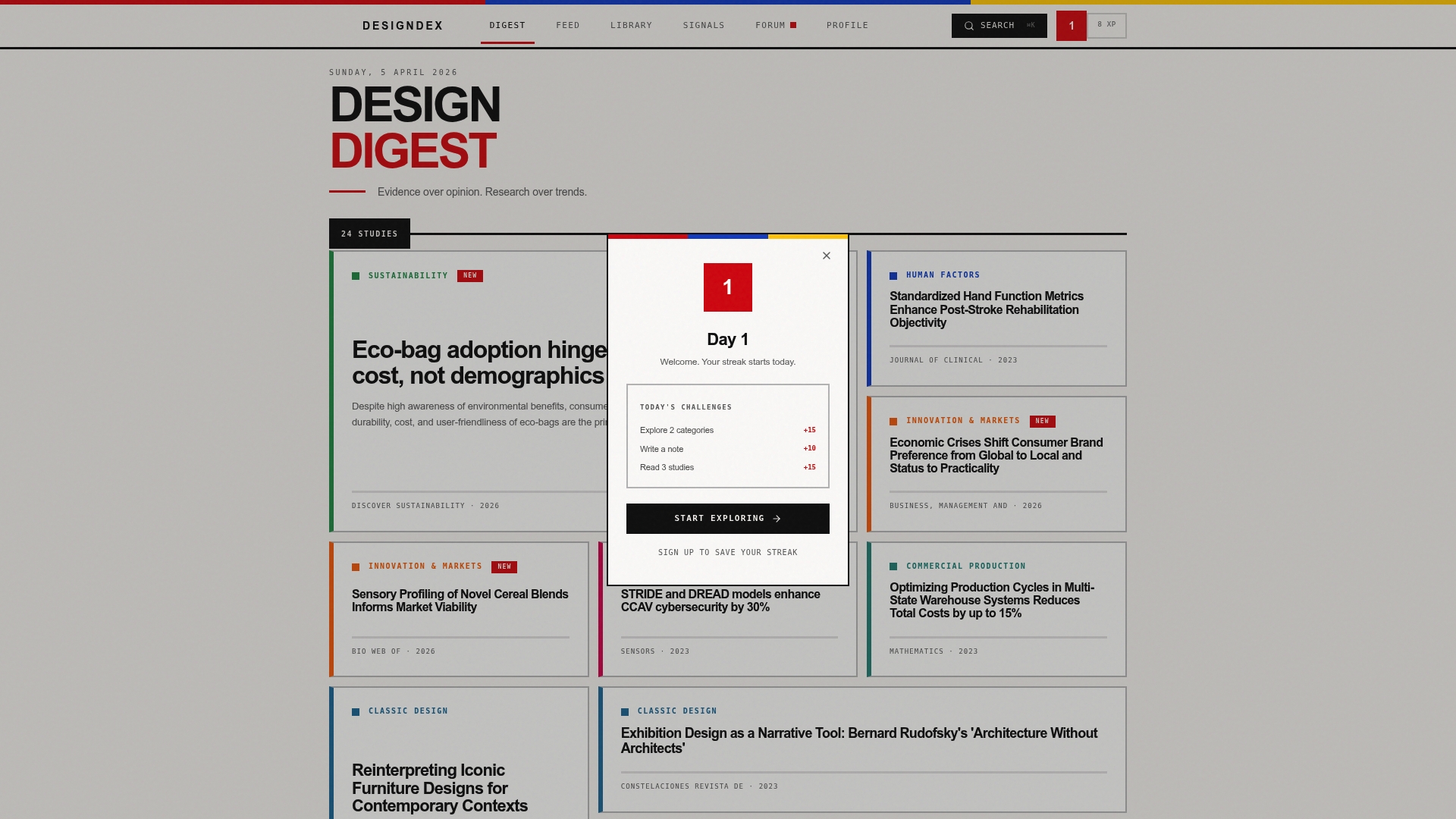
Elevate your design process today by exploring DesignDex where daily research updates empower you to justify choices confidently. Don't wait to transform your workflow with citation-ready evidence and trend signals instilling clarity and innovation. Visit DesignDex now and experience a smarter way to design backed by verified intelligence.
Frequently Asked Questions
What are some alternatives to Dexigner.com for design news and resources?
Designers looking for alternatives to Dexigner.com can explore platforms like DesignDex, Core77, and Dezeen. These sites offer various design news, project showcases, and resources to support your creative needs.
How can I find curated design events using these alternatives?
Most alternatives, such as Designboom and Dezeen, feature dedicated sections for design events and competitions. Search for event calendars on these sites to stay updated, or subscribe to their newsletters for timely reminders.
Can I access free content on Dexigner.com alternatives?
Yes, many alternatives like Design Week and ArchDaily offer free access to a wide range of articles, news updates, and resources. Visit their websites and browse the available sections to utilize their offerings without any cost.
How do I utilize research platforms for evidence in design projects?
To effectively utilize research platforms like DesignDex, categorize your research by topic to streamline your search process. Make notes of key studies and findings to support your design decisions.
What types of content can I find on alternatives to Dexigner.com?
Alternatives to Dexigner.com typically provide a mix of industry news, project showcases, job listings, and design discussions. Explore various sections of these sites for insights and resources relevant to your design interests.
How can I stay updated on the latest design trends through these platforms?
Sign up for newsletters or regular updates on platforms like Dezeen and Designboom to receive alerts on the latest trends. Regularly checking their home pages and social media can also help you stay informed about emerging design movements.
Recommended
- Today's Design Digest | DesignDex
- Better design results: why design analysis matters in UX
- Signals — Daily Design Intelligence | DesignDex
- Contemporary Art's Influence Elevates Graphic Design Beyond Pure Functionality — Design Research Summary | DesignDex
- Top 7 onlineexpeditors.com Alternatives in 2026